-
Science-Driven Solutions for
Heat-Vulnerable CommunitiesPart of a global climate adaptation cohort focused on improving health outcomes by studying the impact of heat in low-income African communities, generating evidence from real-world settings.
-
Innovative Heat Solutions
for a Resilient FuturePart of a global climate adaptation cohort focused on improving health outcomes by studying the impact of heat in low-income African communities, generating evidence from real-world settings.
-
Adapting to Heat
Strengthening LivesPart of a global climate adaptation cohort focused on improving health outcomes by studying the impact of heat in low-income African communities, generating evidence from real-world settings.
Rising temperatures
threaten human health.
As global temperatures rise, extreme heat poses a growing health risk, particularly in sub-Saharan Africa. Heat Adaptation Benefits and Vulnerability in Africa (HABVIA) is a research project dedicated to addressing this challenge.
By working directly with communities in South Africa and Ghana, HABVIA investigates practical and scalable solutions to reduce heat stress and protect vulnerable populations.
Through data-driven research and community-led interventions, we aim to fill critical knowledge gaps on the environmental, health, and socio-economic impacts of heat adaptation. From testing innovative cooling solutions to developing early warning systems, HABVIA is committed to enhancing climate resilience where it is needed most.


Investigating Heat
Adaptation in Africa
HABVIA is conducting research in four heat-stressed communities:
- Ga-Mashie (Accra, Ghana): A coastal fishing community.
- Nkwantakese (Kumasi, Ghana): A rural village outside Kumasi.
- Site B (Khayelitsha, South Africa): A mixed formal-informal township in Cape Town.
- Mphego Village (Limpopo, South Africa): A rural community near Thohoyandou.
Each of these locations experiences extreme heat, with temperatures exceeding 35°C during the hot season—posing significant health risks.
Key challenges include...

![]()
![]()
High Exposure to Extreme Heat
Many people live and work in environments without adequate protection from rising temperatures, making them vulnerable to heat stress and related health risks.

![]()
Health Impacts
Extended exposure leads to increased mortality, cardiometabolic diseases, mental health disorders, and overall diminished well-being.

![]()
Economic Impact
Heat exposure significantly reduces productivity, especially among manual labourers and informal settlement dwellers, causing economic strain.

![]()
Adaptation Deficit
Sub-Saharan Africa lacks sufficient heat adaptation strategies, and current interventions have minimal evidence of long-term efficacy, particularly in real-world conditions.
Evidence-based strategies & solutions.
Collaborating with global experts, HABVIA is committed to scalable, real-world solutions that reduce heat-related risks.
HABVIA is committed to long-term change, providing practical solutions that protect communities from the increasing health risks posed by climate change.
By addressing the "adaptation deficit" in sub-Saharan Africa, the project will deliver evidence-based strategies to improve the lives of those most affected by extreme heat.

HABVIA News & Outputs
Stay informed about our latest research findings, community engagements, and policy developments.
For more updates, follow HABVIA’s latest research and impact stories.
Latest News
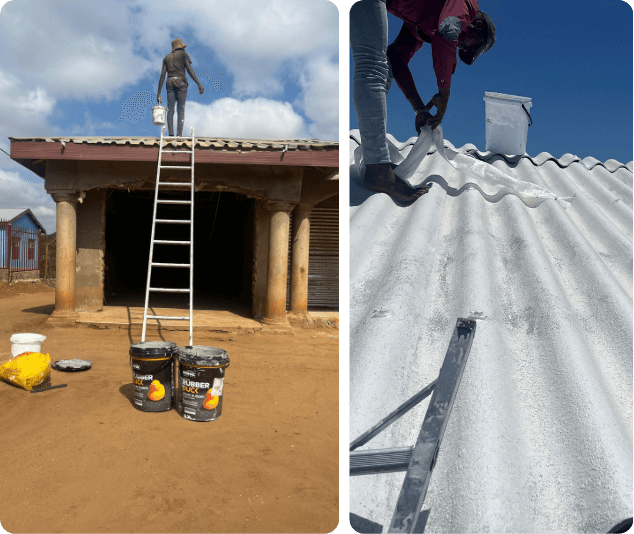
How roof paint is helping vulnerable groups beat dangerous heat in South Africa and Ghana
A University of Cape Town-led project is testing heat-reflective roof paint to cool homes and protect the health of low-income...READ MORE→
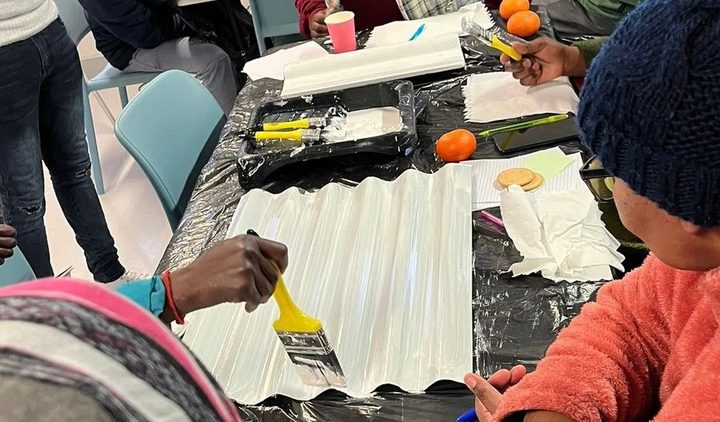
Innovative paint cools sweltering shacks in Cape Town’s biggest township
Coating used on chicken coops promises to slash indoor temperatures and help millions of people get a good night’s sleep...READ MORE→
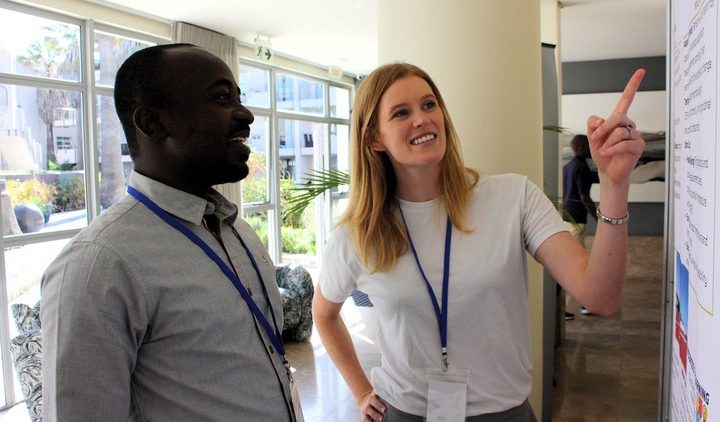
UCT project addresses heat risks in vulnerable communities
The University of Cape Town (UCT)-based research project, Heat Adaptation Benefits for Vulnerable groups In Africa (HABVIA), recently participated in...READ MORE→
Latest Outputs
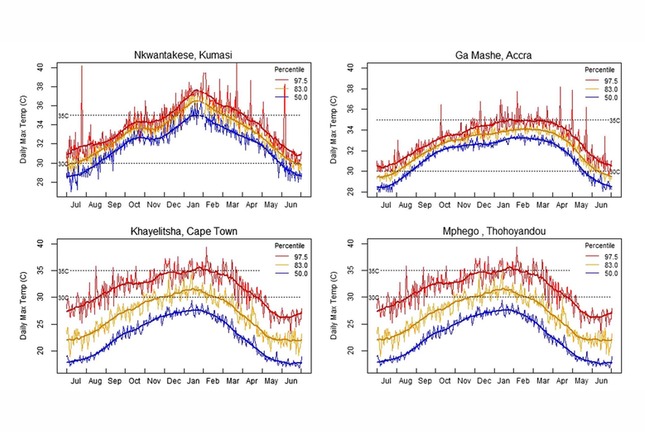
Heat Adaptation Benefits for Vulnerable groups In Africa (HABVIA)
A study protocol for a controlled clinical heat adaptation trialMichaela Deglon1,2*, Chad Africa2 , Larske Marit Soepnel2,3, Thandi Kapwata4 ,...READ MORE→
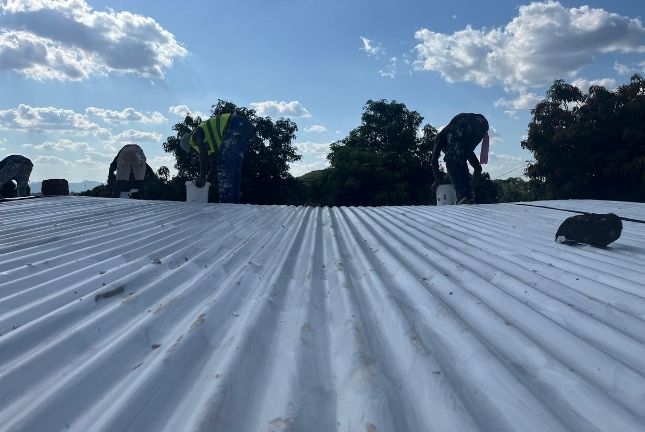
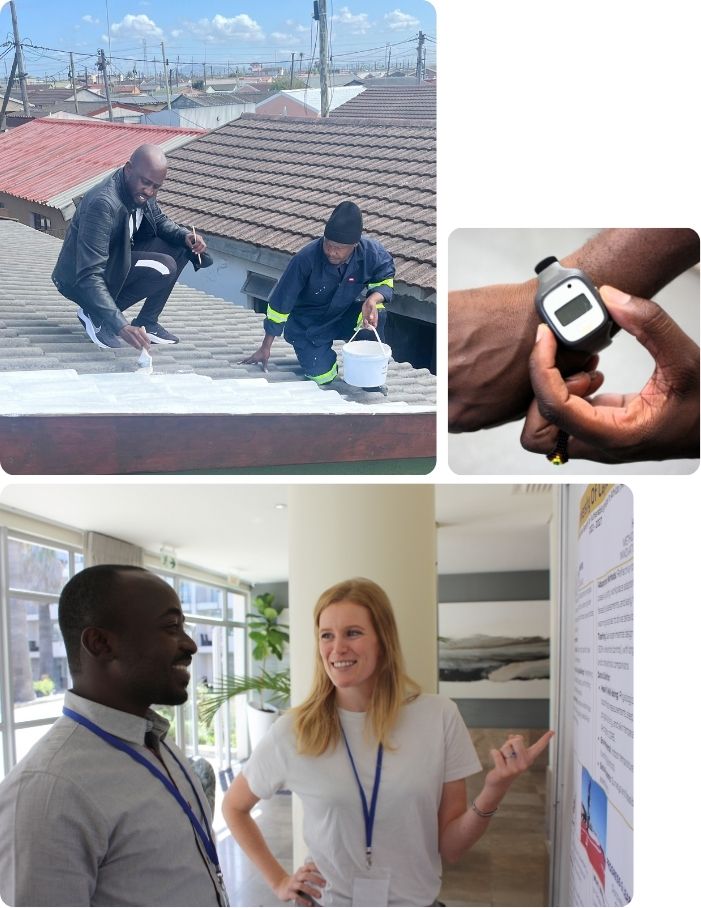
HABVIA Completes Roof Painting Initiative
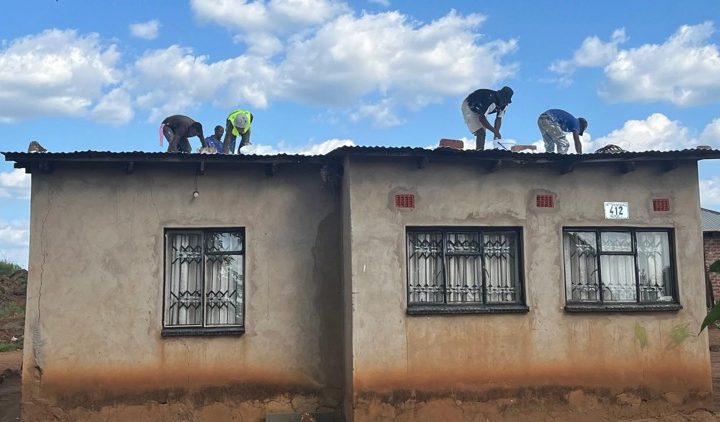
As part of our ongoing research, HABVIA recently completed a roof-painting project in Ghana and South Africa to test how...READ MORE→
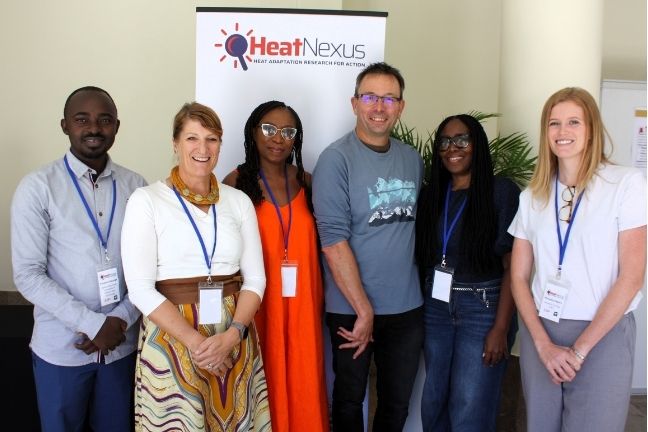
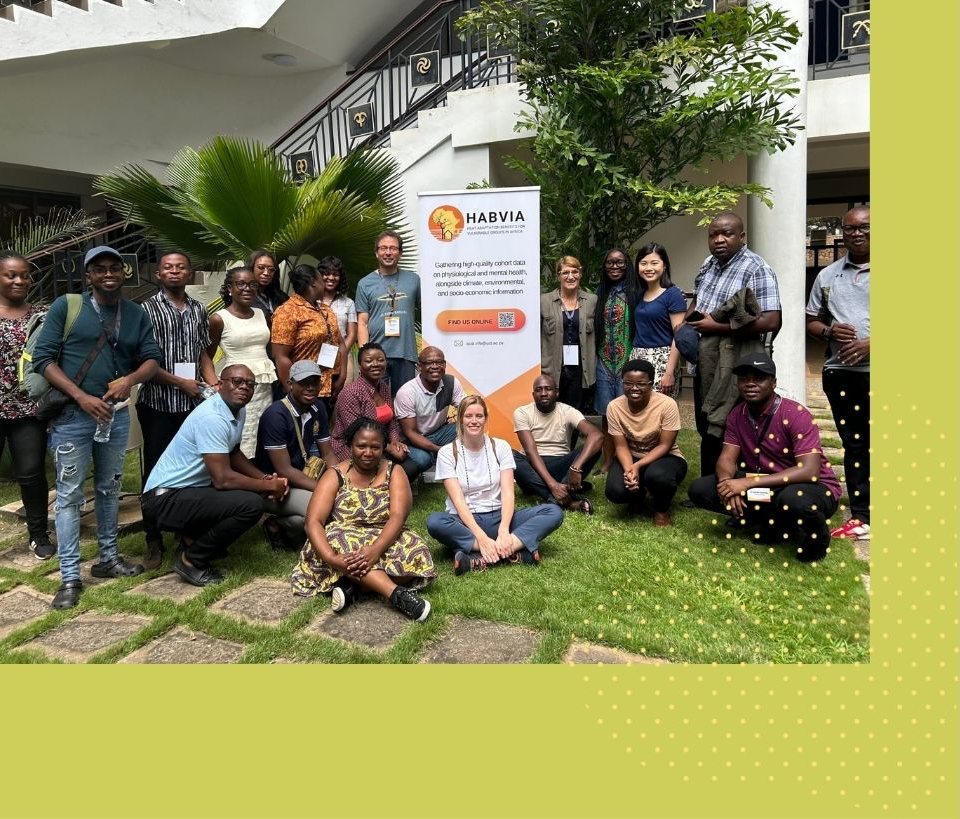
HABVIA at the HeatNexus Convening
HABVIA participated in the recent HeatNexus convening, where we shared insights from our work on heat adaptation interventions. This collaboration...READ MORE→
Real communities.
Real strategies.
Real change.
TO BE ANNOUNCED
Behavioural Adaptation in a Changing Climate
WEBINAR - PUBLIC WELCOME TO ATTEND
25 Oct - 19:00 SAST
Our partners
The principal investigators, based at UCT are collaborating with a number of high-level research partners including the South African Medical Research Council, the University of Ghana, Kwame Nkrumah University of Science and Technology (Ghana), the University of Bristol (UK), the Ghana Meteorological Agency, the South African Weather Services, and Slum Dwellers International to action this work.
The HABVIA project is funded by the Wellcome Trust, a global charitable foundation dedicated to advancing research in life, health, and well-being. Through the HeatNexus, HABVIA is one of nine initiatives to receive funding, aligning with Wellcome Trusts’ mission to tackle worldwide health challenges, including mental health, infectious diseases, and climate and health.

Contact Us
We would love to hear from you and see how we can help.
-
Location
Hosted by African Climate and Development Initiative (ACDI)
-
Email us at
-
Connect with us